Emergency Plumber Philadelphia, PA
If water is actively spreading or a plumbing problem is getting worse, start with safe first steps and request the right plumbing service for your Philadelphia property.
Is Your Plumbing Problem an Emergency?
Not every plumbing problem requires emergency service. The priority depends on how quickly the problem could cause property damage, create a safety concern, or affect essential plumbing.
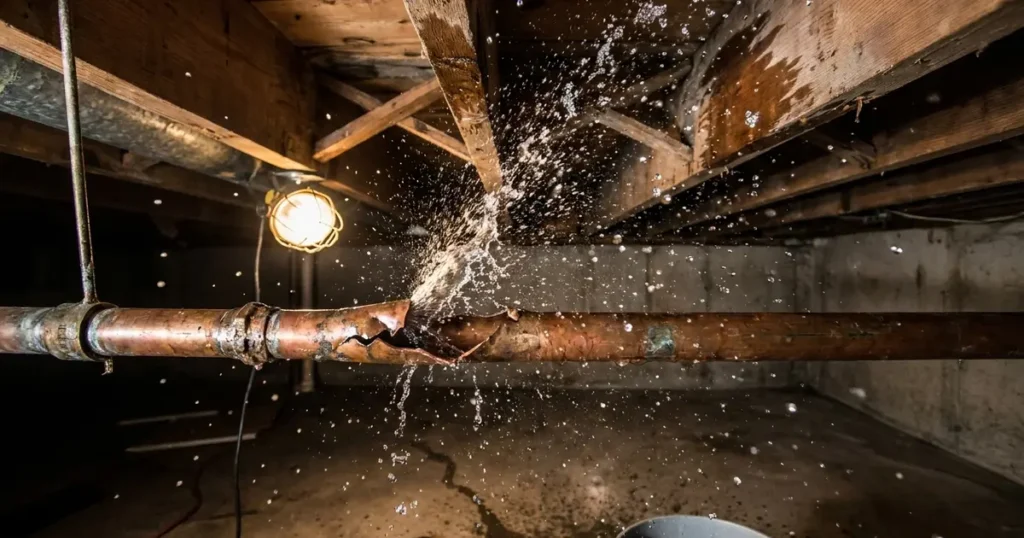
Burst or Frozen Pipe
Water is actively flowing, a pipe has split, or water service stopped after freezing conditions. If you can safely reach the nearest working shutoff, stop the water and request qualified plumbing help.
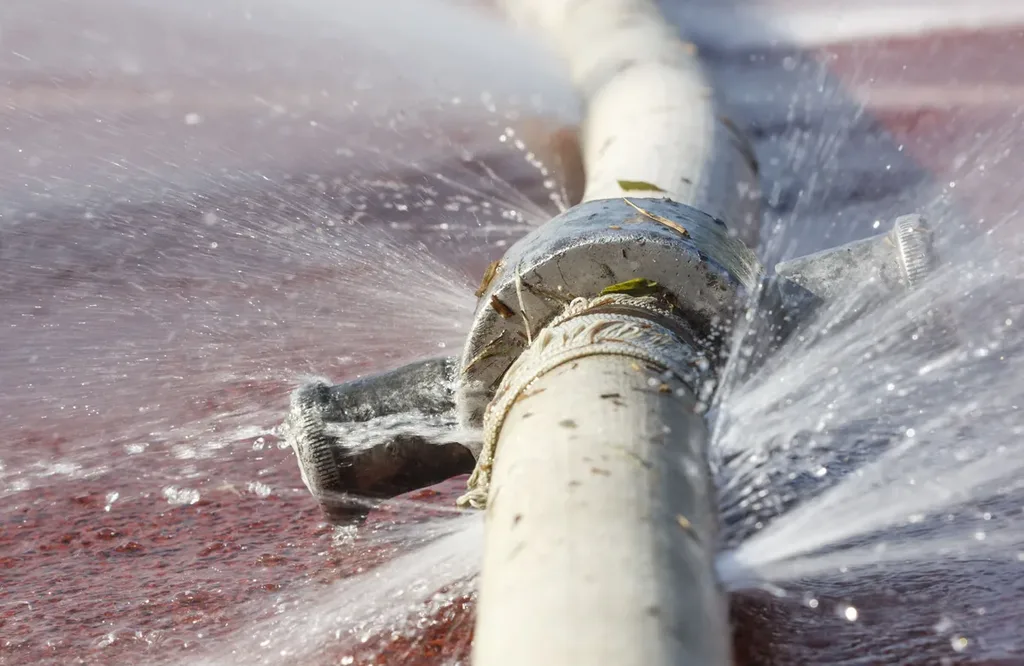
Active Water Leak
Water is coming through a ceiling, wall, cabinet, fixture, supply line, or another unexpected location. If it is safe to do so, stop the water and stay away from wet electrical equipment.
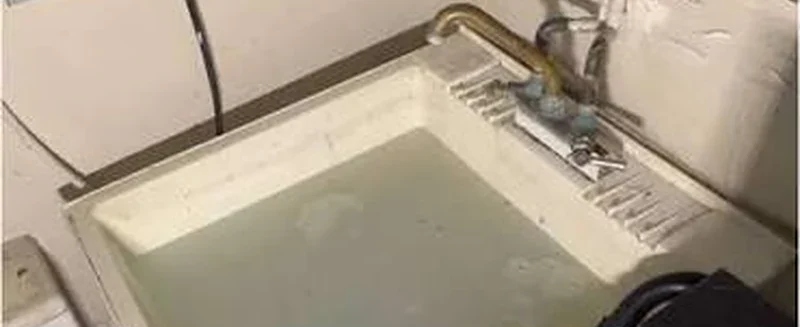
Basement or Sewer Backup
A basement floor drain, toilet, sink, or another plumbing fixture is backing up with water or wastewater. Avoid contact with potentially contaminated water and document the situation only if it is safe.
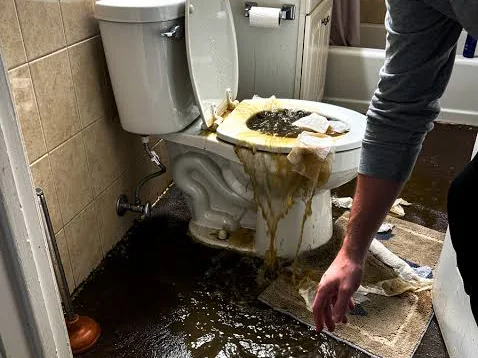
Overflowing Toilet
The toilet continues filling, water is rising, or another fixture is also backing up. Stop flushing. If the toilet shutoff works and can be reached safely, use it. If other fixtures are affected, the problem may be larger than the toilet.
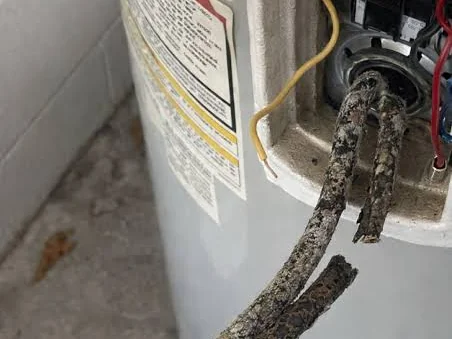
No Hot Water
Your water heater has stopped producing hot water, is leaking, or has another serious problem. Do not open the appliance or alter gas or electrical connections. Describe the unit and symptoms to a qualified professional.
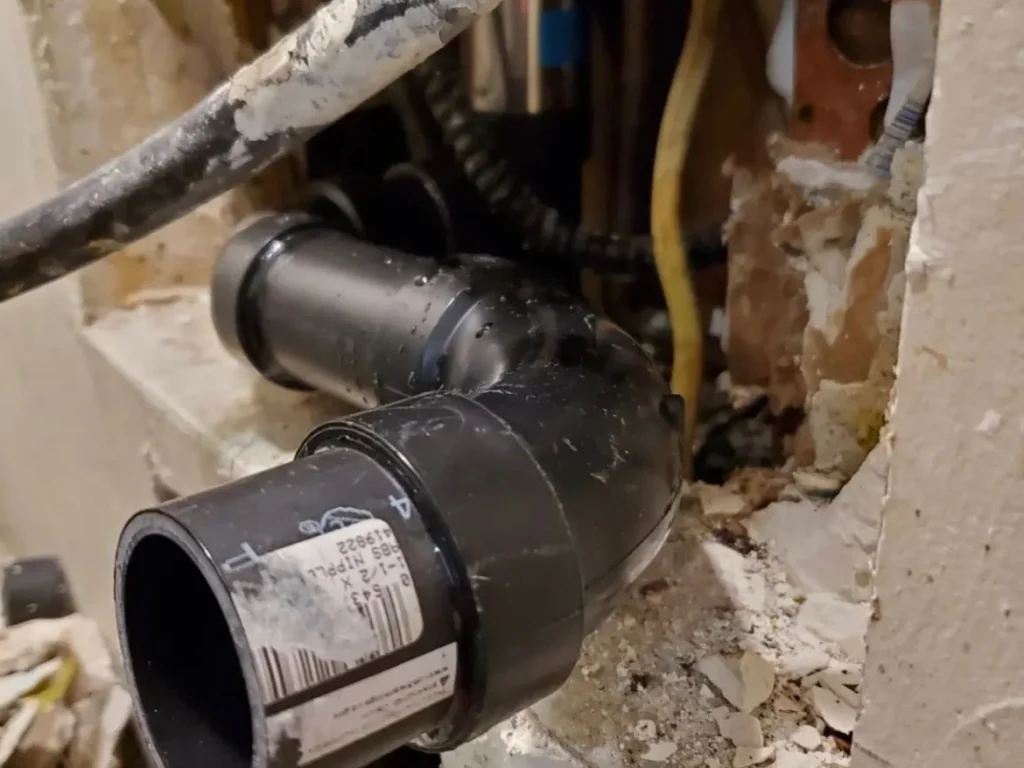
Severe Drain Blockage
Several drains are slow, gurgling, or backing up at the same time. Multiple affected fixtures can indicate a larger drain or sewer problem rather than a simple sink clog.
What Should I Do First if Water Is Actively Spreading?
If it is safe, use the nearest working fixture shutoff or main water shutoff to reduce the flow.
This website provides general information and cannot inspect your property remotely.
Why Can Emergency Plumbing Feel Different in Philadelphia Homes?
Philadelphia combines older attached housing, rowhouses, basements, narrow utility spaces, mixed pipe materials, wet-weather drainage concerns, and winter freeze risk.
That does not mean every Philadelphia home has the same plumbing defect. It means a useful assessment should consider the actual property, plumbing access, visible piping, fixture history, drain behavior, and whether more than one system is affected.
A basement floor-drain backup after heavy rain is not automatically the same problem as a clogged sink. A toilet that gurgles when another fixture drains may point to a larger drain or venting concern. A frozen outdoor faucet may involve the exterior fixture, its shutoff arrangement, or a split pipe inside the wall.
The symptoms and an actual inspection matter more than assuming the ZIP code proves the diagnosis.
Philadelphia Plumbing Problems We Help You Understand
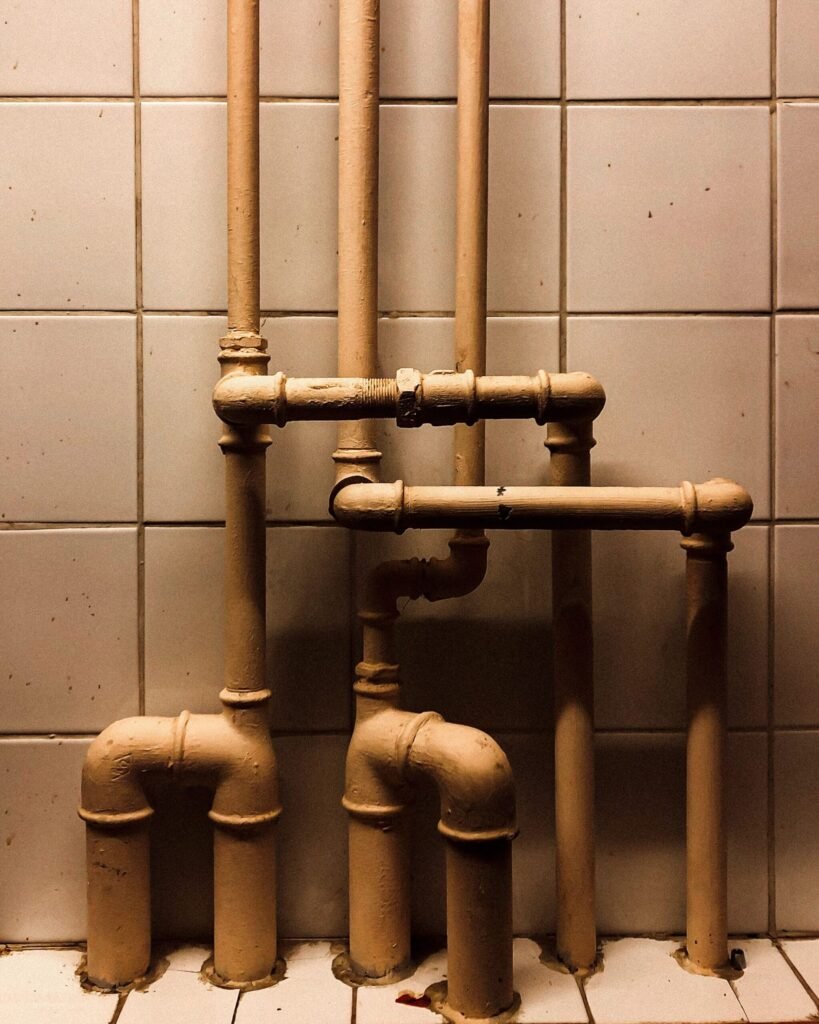
Our Philadelphia-focused information covers common emergency and plumbing concerns including burst and frozen pipes, active leaks, basement and sewer backups, drain problems, toilets, water heaters, kitchen and bathroom plumbing, sump pumps, backwater protection, and water shutoffs.
Emergency Plumbing Services for Philadelphia Properties
Burst Pipe Repair
A burst pipe can release a large amount of water quickly. The first priority is safe shutoff and limiting damage. A qualified professional can inspect the affected plumbing and determine the appropriate repair. Shutting off the water quickly can limit damage while you wait for help.
Frozen Pipe Repair
Frozen pipes can stop water service and may become damaged as conditions change. Do not use an open flame to thaw a frozen pipe.
If you suspect a frozen or split pipe, use a safe shutoff if possible and request qualified assessment.
Basement & Sewer Backup
A basement or sewer backup can have several causes, including a blocked drain, private sewer condition, backwater, or damaged piping.
The cause should be identified before a major repair is recommended.
Emergency Drain Cleaning
A single slow sink is different from several fixtures becoming slow or backing up together.
Multiple slow drains, recurring backups, gurgling, or sewage odors can indicate a larger downstream issue.
Emergency Toilet Repair
An overflowing toilet should not be repeatedly flushed. A leaking shutoff, failed fill valve, clogged toilet, or recurring backup needs the appropriate diagnosis.
If several fixtures are affected, the problem may extend beyond the toilet itself.
Water Heater Repair
A leaking tank, strange noise, inconsistent temperature, or complete loss of hot water can have different causes.
Repair or replacement can depend on the unit’s age, leak location, parts, capacity, fuel or electrical requirements, and installation conditions.
Emergency Leak Detection
A leak is not always visible at its source. Warning signs can include ceiling stains, wet cabinets, damp walls, unexplained moisture, musty odors, or unusual water usage.
The correct repair depends on identifying the source.
Sump Pump Problems
A failed sump pump can leave a basement vulnerable to water accumulation. However, a sump-pump problem is not automatically the same as a sewer backup.
Drainage, floor drains, downspouts, and private sewer conditions may all need to be considered.
Why Does My Philadelphia Basement Back Up When It Rains?
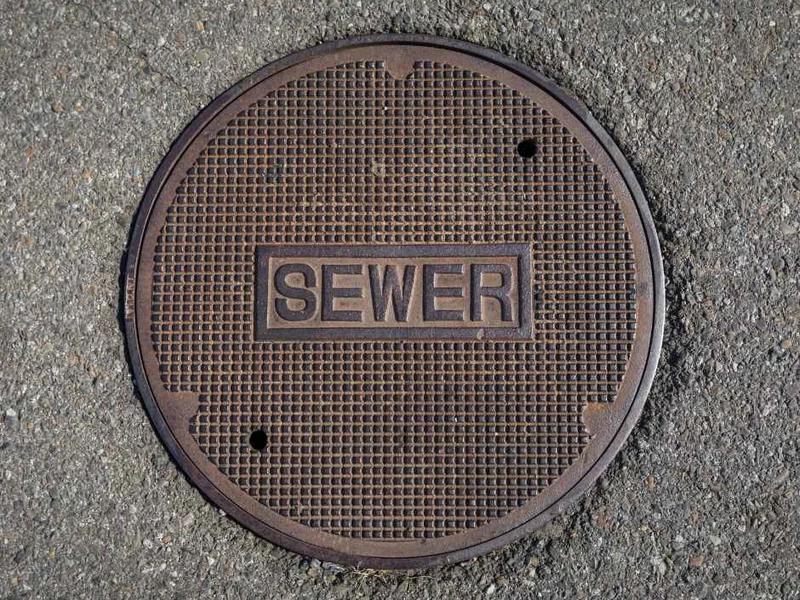
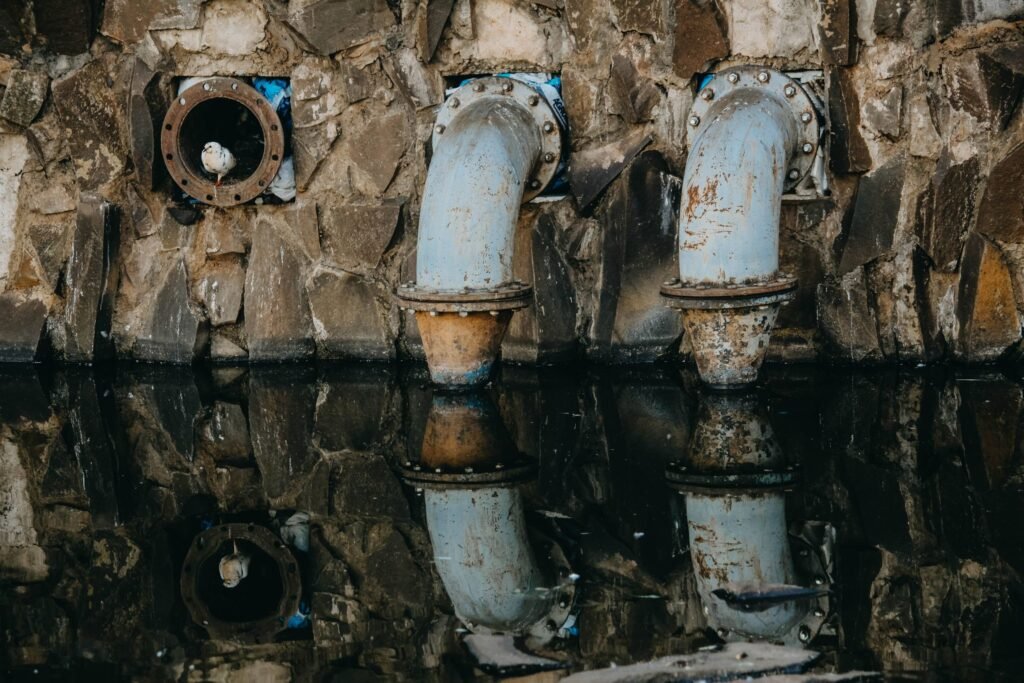
Wet weather can coincide with basement and sewer-backup problems in Philadelphia.
Philadelphia’s Basement Backup Protection Program discusses measures such as backwater valves and downspout modifications for eligible homeowners.
However, a basement backup does not automatically mean the same repair is appropriate for every property.
Possible Causes
Possible causes can include:
A qualified professional or the appropriate Philadelphia Water Department program should determine which path applies.
Is the Problem With the City or My Property’s Plumbing?
This can be an important question during a Philadelphia plumbing emergency.
Depending on the situation, property-related plumbing can include components such as the main house drain, curb trap, sewer lateral, water service pipe, water supply pipe, and supply valves.
Main house drain
Curb trap
Sewer lateral
Water service pipe
Water supply pipe
Supply valves
The appropriate responsibility depends on the specific component and location of the problem.
What Should You Do?
If you are unsure whether a problem involves public infrastructure or plumbing serving your property, identify where the problem is occurring and seek guidance from the appropriate Philadelphia Water Department resource or qualified plumbing professional.
How Do I Know Whether I Need Drain Cleaning or Sewer-Line Repair?
A localized slow drain may involve a fixture-level blockage.
A larger problem becomes more likely when several fixtures are affected at the same time.
Warning Signs of a Larger Drain or Sewer Problem
Watch for:
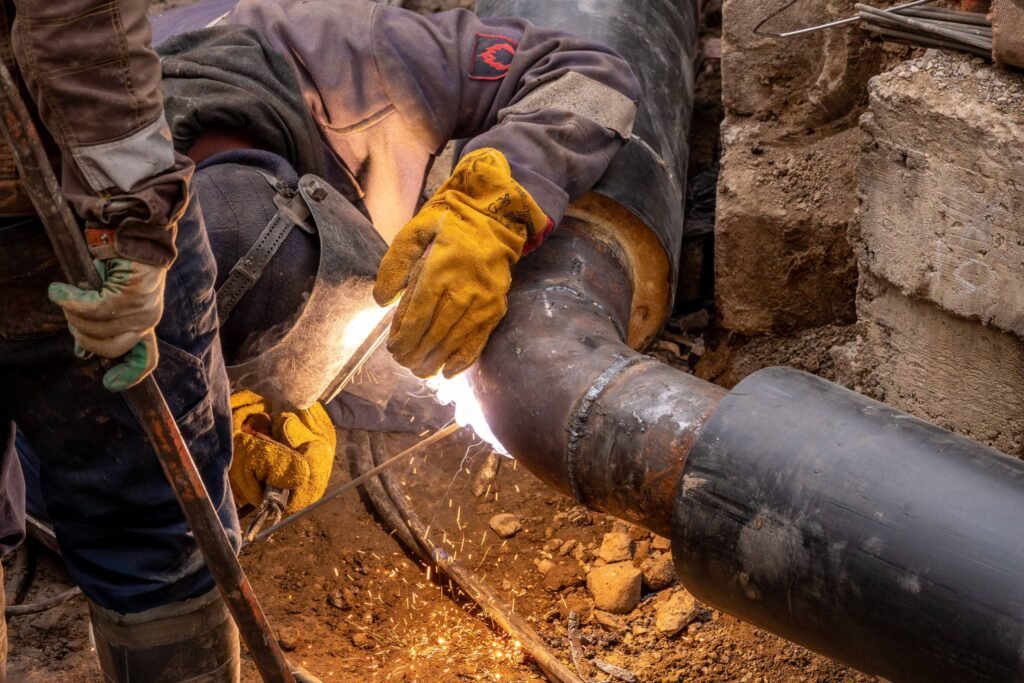
A qualified professional may use a cleanout, drain equipment, or camera inspection to identify the cause before recommending a larger repair.
Emergency Plumbing for Philadelphia Properties
Homeowners
Philadelphia homeowners may need help with active leaks, burst pipes, frozen pipes, sewer backups, clogged drains, toilets, water heaters, sump pumps, and other urgent plumbing problems. Tell us what is happening and where, and we will point you to the right next step. Basement, kitchen, bathroom, and rowhouse plumbing problems are all common.
Landlords & Property Managers
Emergency plumbing often involves more than repairing a pipe. Access, tenant communication, documentation, authorization, and coordination may also matter.
When requesting help, provide the property address, affected unit or area, symptoms, and whether water is moving or sewage is involved.
Commercial Properties
Restaurants, offices, retail locations, apartment buildings, and other businesses can face additional urgency when plumbing problems interrupt operations.
Emergency situations may include commercial drain backups, restroom plumbing problems, burst supply lines, water heater failures, sewer backups, multiple-fixture blockages, and active leaks.
What Happens After I Request Emergency Plumbing Help?
1
Describe the Problem
Tell us your Philadelphia ZIP code or neighborhood, property type, affected room or fixture, symptoms, urgency, and whether water is actively moving.
2
We Identify the Service Path
The request is classified according to the type and urgency of the plumbing problem.
This is triage—not a remote diagnosis.
3
Availability Is Confirmed
The responding service partner and actual service area must be confirmed before promising availability, response times, or 24/7 service.
4
A Qualified Professional Inspects the Problem
Inspection may involve visual assessment, shutoff checks, drain equipment, camera inspection, or leak detection.
5
The Scope Is Explained
Before approving work, you should understand what was found, what it includes, what could change the price, and what warranty applies.
6
Approved Work Is Completed and Tested
The authorized repair is completed and the affected system should be tested before the job is closed.
How Much Does an Emergency Plumber Cost in Philadelphia?
There is no single emergency plumbing price that applies to every Philadelphia property.
The total cost can depend on the diagnosis, access, parts, time of service, pipe location, repair complexity, excavation, restoration, permits, and whether the problem affects one fixture or a main plumbing system.
Questions to Ask Before Approving Plumbing Work
Ask:
We will publish actual pricing, service fees, financing, or special offers only after they have been verified with the operating service provider.
What Makes Emergency Plumber Philadelphia PA Different?
Plain-Language Emergency Guidance
We start with what you can actually see, hear, smell, or experience instead of pretending a webpage can diagnose your property remotely.
Philadelphia-Specific Information
Our content covers what matters in Philadelphia: rowhouses, basements, older plumbing, sewer backups, and winter freezing.
Clear Service Boundaries
A possible cause is not presented as a confirmed diagnosis. The actual problem must be determined through appropriate inspection.
Transparent Service Path
Requests submitted through this website go to our dispatch team, who match your problem with a qualified plumbing professional in your area.
No Fabricated Proof
Reviews, licenses, addresses, technician information, case studies, response times, and service claims are published only when they can be verified.
Property Respect
Access, cleanup, tenant coordination, documentation, and communication can all be important parts of an emergency plumbing situation.
Who Is Behind Emergency Plumber Philadelphia PA?
Emergency Plumber Philadelphia PA is focused on helping Philadelphia residents identify the right next step when they experience an urgent plumbing problem.
Our team coordinates with licensed local plumbers so Philadelphia property owners get clear answers and a qualified professional at the door.
Business Information
Do You Serve My Philadelphia Neighborhood?
Emergency plumbing problems can happen throughout Philadelphia. Actual service availability depends on the verified operating service provider.
Center City & Old City
ZIP codes: 19102, 19103, 19106, 19107, 19109.
Fishtown, Northern Liberties & Kensington
ZIP codes: 19122, 19123, 19125, 19134.
South Philadelphia
ZIP codes: 19145, 19146, 19147, 19148.
West Philadelphia & University City
ZIP codes: 19104, 19131, 19139, 19143, 19151.
Northwest Philadelphia, Manayunk & Roxborough
ZIP codes: 19118, 19119, 19127, 19128, 19129, 19144.
Northeast Philadelphia
ZIP codes: 19111, 19114, 19115, 19116, 19120, 19124, 19136, 19149, 19152, 19154.
Not sure if your ZIP code is covered? Send a request and we will confirm availability for your address.
Is Philadelphia Weather Relevant to Plumbing Problems?
Yes. Cold snaps can contribute to frozen-pipe problems, while heavy rain can coincide with basement or sewer-backup concerns.
Weather can help explain why a symptom may become urgent, but it does not prove the cause of an individual property’s plumbing problem.
Winter Plumbing Problems
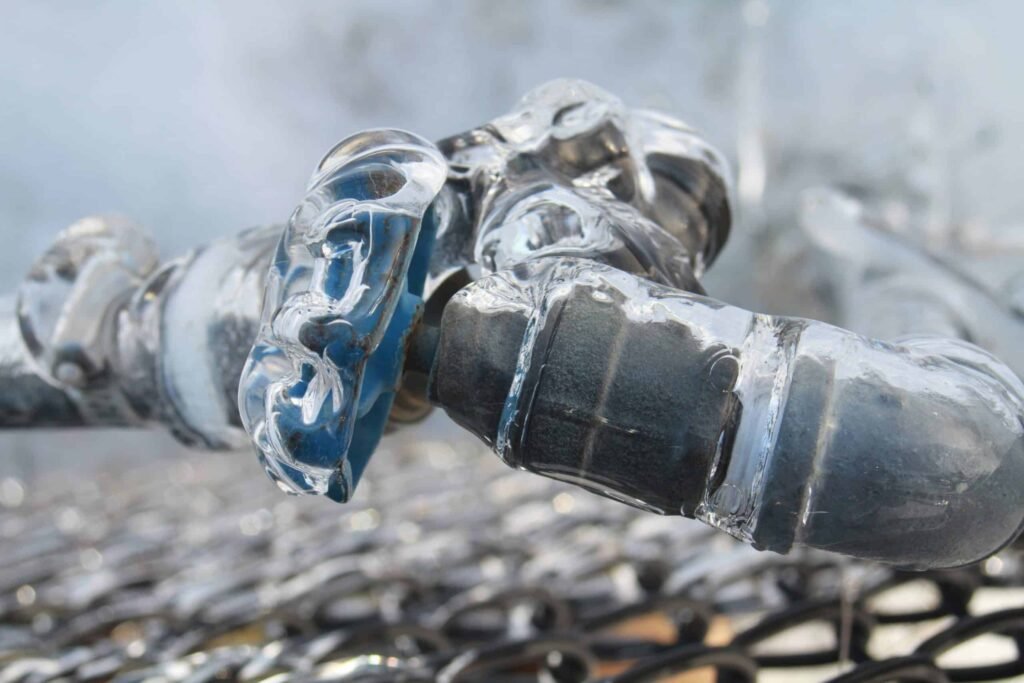
Cold conditions can increase the risk of frozen pipes, particularly where plumbing is exposed to freezing temperatures or located in unheated areas.
Wet-Weather Plumbing Problems
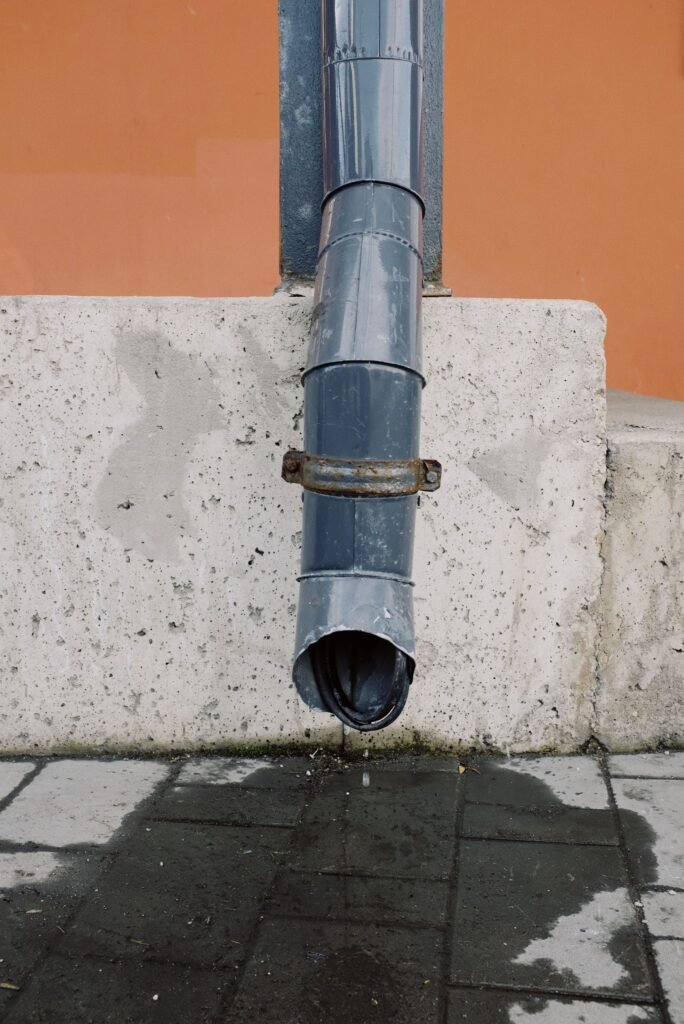
Heavy rain can coincide with basement and sewer-backup concerns. Repeated backups should be evaluated rather than assumed to have a single cause.
What Do Philadelphia Customers Say?
Feedback from Philadelphia homeowners, landlords and business owners.
★★★★★
“
A pipe burst in our basement early on a Sunday. They walked us through shutting off the water and had a plumber at the house quickly. Everything was explained clearly before any work started.”
Michael R.
South Philadelphia, PA
★★★★★
“
Our kitchen drain kept backing up in the rowhouse. The plumber found the cause, showed me what he found, and gave me a clear price up front. Would definitely call again.”
Jennifer T.
Fishtown, Philadelphia, PA
★★★★★
“
As a landlord I need dependable help when tenants call about leaks. Communication was clear from the first call to the final repair. Highly recommend.”
David K.
Northeast Philadelphia, PA
Frequently Asked Questions About Emergency Plumbing in Philadelphia
Need Help With a Philadelphia Plumbing Problem?
Tell us what is happening, where it is happening, and whether water is actively moving.
If it is an emergency, take safe steps first.
Do not attempt electrical, gas, excavation, or contaminated-water work yourself.
Call: (215) 555-0100
Describe Your Plumbing Problem
If it is an emergency, take safe steps first.