Overline
Sewer Line Repair in Philadelphia, PA
Sewer line problems can start with symptoms that look like an ordinary drain clog: several slow drains, recurring backups, gurgling toilets, sewage odors, or water rising in another fixture. When more than one fixture is affected, the problem may involve a larger drain and in sewer line.
Signs You May Need Sewer Line Repair
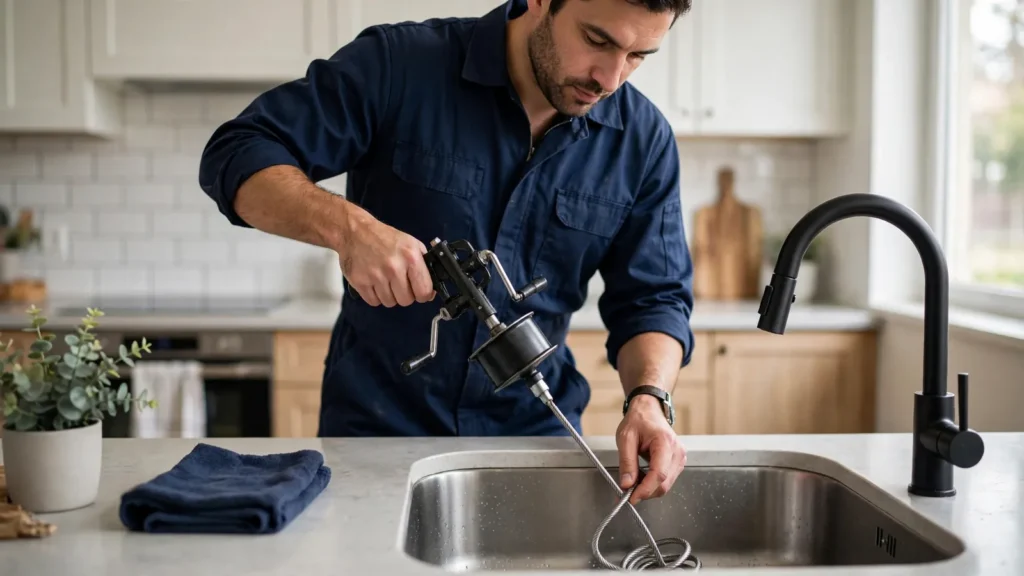
Multiple Drains Are Slow or Backing Up
When sinks, tubs, toilets, or other fixtures begin draining slowly at the same time, the restriction may be farther downstream than one fixture. Multiple affected fixtures are more significant than an isolated slow sink because they can indicate a main drain or sewer-line problem.
Backups Keep Returning After Drain Cleaning
A drain that repeatedly backs up after previous cleaning deserves further evaluation. Repeated clearing may temporarily restore flow without addressing an underlying damaged, restricted, or deteriorated section of pipe. The cause should be identified before deciding whether additional cleaning or sewer-line repair is appropriate.
Gurgling Toilets or Sewage Odors
Gurgling sounds, sewage odors, or unusual changes in drainage can occur when wastewater is not moving normally through the system. These symptoms do not prove a sewer-line failure, but when combined with backups or several affected fixtures, they can justify a sewer or main-drain evaluation.
Basement Floor Drain Backups
A basement floor drain backing up can have several possible causes, including a main drain blockage, private sewer condition, backwater, drainage conditions, or damaged piping. Heavy rain can coincide with basement and sewer-backup problems in Philadelphia, but weather alone does not establish the cause.
Common Sewer Line Problems We Can Help With
Sewer-line symptoms can look similar even when the underlying problems are different. A proper assessment helps separate a routine drain blockage from a condition that may require larger sewer work.
- Main drain restrictions affecting several fixtures
- Recurring sewer or drain backups
- Sewer-line blockages
- Suspected damaged or cracked piping
- Problems associated with older sewer lines
- Water or wastewater rising through another fixture
- Basement floor-drain backups
- Sewer symptoms that return after previous drain cleaning
- Suspected private sewer-line problems
- Sewer-line conditions requiring camera inspection before repair
Not every backup requires sewer-line replacement or major excavation. The appropriate service depends on what the inspection shows, the location of the problem, access to the line, and the condition of the affected plumbing.
How Sewer Line Service Works
Inspection and Diagnosis
The service begins with the symptoms you can observe: which fixtures are affected, when the problem started, whether wastewater is moving, whether backups are recurring, and whether other fixtures change when one is used. A professional may then inspect accessible plumbing, check a cleanout, use drain equipment, or perform a sewer camera inspection when appropriate.
A qualified professional may inspect a sewer cleanout, evaluate visible plumbing, use drain equipment, or perform a camera inspection when appropriate. A camera can help locate restrictions, damaged sections, root intrusion, or other conditions before a major repair is recommended.
Repair or Service
Once the condition is understood, the proposed work should match the actual problem. Depending on the findings, the service may involve clearing an obstruction, repairing a damaged section, addressing a sewer connection, or discussing larger repair options. Excavation, restoration, permits, or additional work may be separate depending on the property and scope.
Testing and Next Steps
After approved work is completed, the affected drainage system should be checked to confirm that the authorized repair has addressed the identified problem. The overall process should make clear what was found, what work was approved, what is included, and whether additional restoration or other trade work is separate.
When You Need Emergency Plumbing Help
A sewer problem may require prompt attention when wastewater is actively backing up, several fixtures are affected, sewage is entering the property, or a basement floor drain is overflowing. A single slow drain without other symptoms may not require emergency service. The urgency depends on the amount of water or wastewater involved, the risk of property damage, and whether essential plumbing is affected.
If sewage or contaminated water is present, avoid unnecessary contact and keep people and pets away from the affected area. If water is near electrical equipment, move away rather than attempting to inspect or repair the electrical hazard yourself.
Why Professional Sewer Diagnosis Matters
Sewer symptoms can come from different parts of a plumbing system. Treating every backup as a simple clog can miss a larger downstream problem, while assuming that every backup requires sewer replacement can lead to unnecessary work. Proper diagnosis helps separate fixture-level blockage, main-drain restriction, sewer-line problems, backwater conditions, and other possible causes.

This is especially important in Philadelphia properties where older attached housing, narrow access areas, basements, mixed pipe materials, and private sewer connections can affect how a plumbing problem is investigated. Local characteristics can provide useful context, but they should not be treated as proof of a specific defect.
Before approving sewer work, ask what was found, what the proposed repair includes, what could change the scope, whether excavation or restoration is separate, and what warranty applies. Sewer repair cost cannot be accurately reduced to one standard Philadelphia price because diagnosis, access, pipe location, materials, excavation, restoration, permits, and repair complexity can all affect the work.
Related Philadelphia Plumbing Services
Sewer problems can overlap with several other plumbing services. If the issue appears to be a localized blockage, drain cleaning in Philadelphia may be the appropriate starting point. When the cause is uncertain, sewer camera inspection can help with diagnosis before excavation or replacement. For wet-weather basement problems, basement and sewer backup help may address the immediate situation while the underlying drainage or sewer condition is evaluated.
Other related services on the website include emergency drain cleaning, leak detection, sump pump repair, backwater valve information, and water line repair. These should be selected according to the actual symptoms rather than treating every water or drainage problem as a sewer-line failure.
Frequently Asked Questions About Sewer Line Repair in Philadelphia
One slow drain may be a localized blockage. Multiple slow fixtures, recurring backups, sewage odors, gurgling toilets, water rising in another fixture, or basement floor-drain backups can indicate a larger drain or sewer problem. Inspection should come before choosing between additional cleaning and sewer-line repair.
Can heavy rain cause sewer backups in Philadelphia?
Heavy rain can coincide with basement and sewer-backup problems, but rain does not automatically identify the cause. Possible factors include drainage conditions, backwater, downspout connections, private sewer conditions, blockages, or damaged piping. The property and affected plumbing should be evaluated to determine the appropriate service path.
What is a sewer lateral?
A sewer lateral is a sewer connection associated with a property that carries wastewater toward the broader sewer system. Responsibility can depend on the specific component, location, and local requirements. If a backup may involve the private sewer connection or public infrastructure, the exact location should be established before assuming who is responsible.
Does a sewer backup always mean the sewer line needs to be replaced?
No. A backup can result from a blockage, private sewer condition, backwater, damaged piping, or another drainage issue. A professional may first use a cleanout, drain equipment, or camera inspection to identify the cause. Repair or replacement should be based on the actual condition and location of the problem.
Can a sewer camera inspection find the problem?
A camera inspection can help visualize portions of a sewer or drain line and identify conditions that may not be visible from inside the property. It can assist with locating restrictions, damaged areas, or other abnormalities before larger repair decisions are made. The appropriate inspection method depends on access and the plumbing system.
How much does sewer line repair cost in Philadelphia?
There is no single price that applies to every Philadelphia sewer repair. Cost can depend on the diagnosis, pipe location, access, materials, repair method, excavation, restoration, permits, and complexity. Before approving work, ask what the estimate includes and what circumstances could change the scope or cost.
When is a sewer problem an emergency?
Prompt attention is appropriate when wastewater is actively entering the property, several fixtures are backing up, sewage exposure is present, or a basement drain is overflowing. A single slow drain without other warning signs may be less urgent. If contaminated water or an electrical hazard is present, prioritize safety and avoid direct contact.