Home / Center City / Old City

Emergency Plumber in Center City & Old City, PA
Water coming through the ceiling from the unit above? A burst pipe in a high-rise, or a backup in a commercial kitchen? Tell us what is happening and where, and we will connect you with a local Philadelphia plumber.
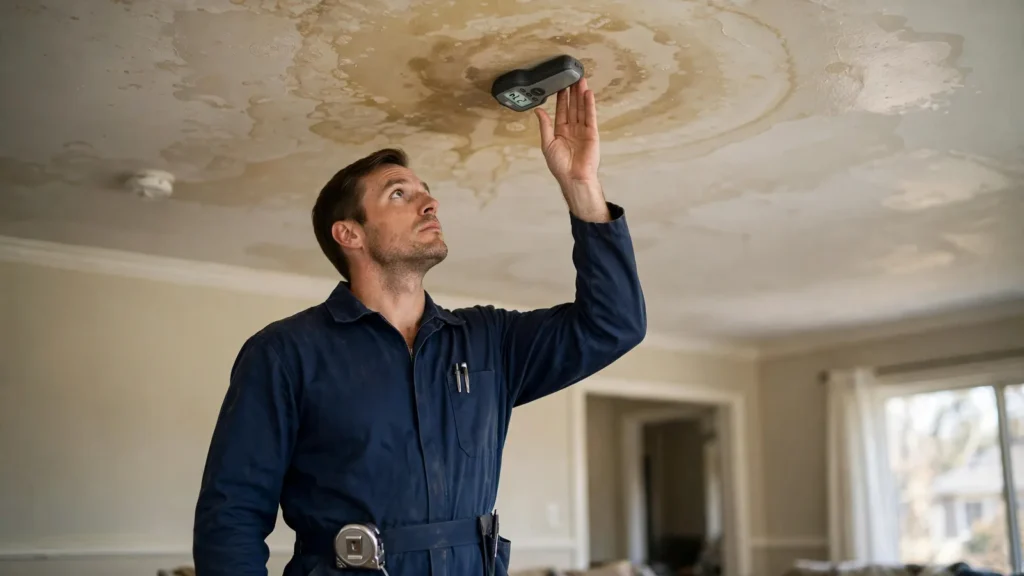
Condos & high-rises
Stacked bathrooms, shared risers, and building shutoffs: the downtown patterns behind most calls.

Triage first
Describe what is happening. Urgent cases get sorted before anything else.
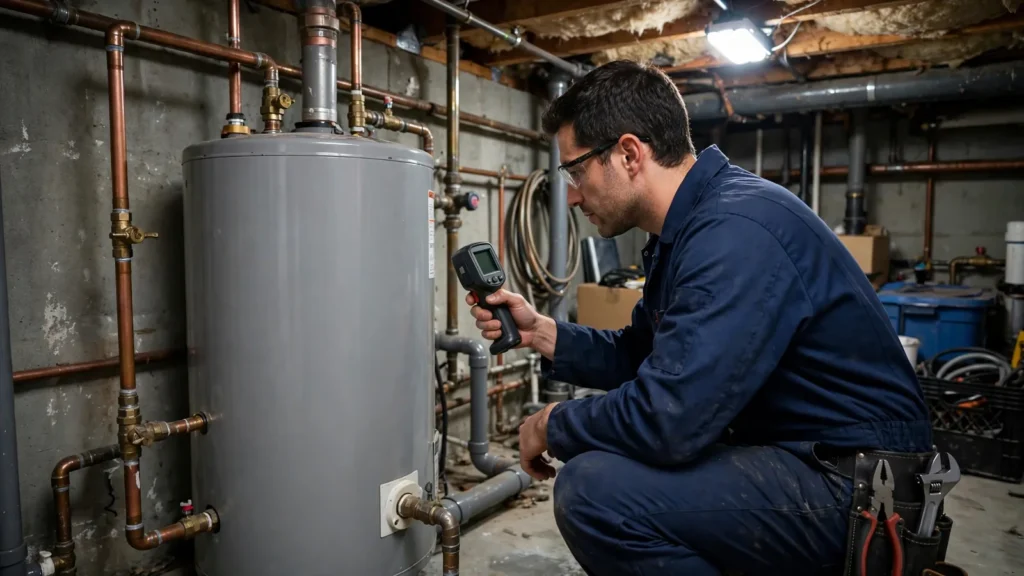
Honest next steps
Inspection first. You approve the scope and price before work starts.
Is this a plumbing emergency?
Not every plumbing problem needs a plumber tonight. In a condo or high-rise, the first question is whether your unit, the building, or a neighbor’s line is the source. Run this check first:
Water is spreading or rising.
Water spreading or dripping to the unit below. Shut your unit valve if you can reach it, then call. Tell building management too, since shared lines may need a building shutoff.
Sewage is coming up through a drain or toilet.
Sewage backing up in a lower-floor unit. Stop using water. In stacked buildings a backup on one floor often points to a shared line, so keep everyone clear until it is checked.
No water at all.
No water at all. Ask a neighbor if they are out too. If the whole floor or building is dry, it is likely a building issue, call management first. If it is just your unit, your line may be frozen or shut.
One slow drain, no backup.
One slow drain, no backup. This can usually wait for a daytime visit. If more fixtures start acting up, or a neighbor reports the same problem, treat it as urgent.
Water spreading or rising right now?
Center City plumbing, in plain facts
19102 to 19109
ZIP codes covered on this page
7
Neighborhoods: Center City, Old City, Society Hill, Rittenhouse Square, Logan Square, Chinatown, Washington Square West
1700s
Old City holds some of Philadelphia’s oldest buildings, and oldest pipes
1 City program
PWD Basement Backup Protection: free backwater valve for qualifying homes
Why plumbing trouble looks different here
Stacked plumbing, shared lines
In condos and high-rises, bathrooms stack floor to floor over shared risers and drains. A stain on your ceiling often starts in the unit above. Whether the problem is yours, your neighbor’s, or the building’s shapes everything that happens next.
Who controls the shutoff?
In many downtown buildings, the main water shutoff is controlled by building management, not by you. In an emergency, call building maintenance first to stop the water, then call for the plumber. Save your building’s emergency number now, before you need it.
Historic buildings, tight access
Old City’s 18th and 19th century buildings were not designed around modern plumbing. Pipes hide inside plaster walls and narrow chases, which slows diagnosis. Mention your building’s age when you call.
Damage spreads downward
In a multi-unit building, your leak becomes your downstairs neighbor’s ceiling stain. Act fast, photograph everything, and notify building management in writing. It protects you if responsibility is disputed later.
Do you cover my Center City block?
ZIP codes on this page: 19102, 19103, 19106, 19107, 19109
Center City, Old City, Society Hill, Rittenhouse Square, Logan Square, Chinatown, Washington Square West
[VERIFY COVERAGE] Service availability is confirmed per address with the responding plumber before anything is promised.
Emergency services for Center City homes
Each page explains the problem, what to do first, and when to call.
Burst Pipe Repair
A split line in a high-rise can reach the floors below fast. Shut your unit valve first, then alert building management.
Frozen Pipe Repair
No water after a cold night? Pipes in exterior walls and parking-level runs freeze first. Safe thawing steps and when to call.
Basement and Sewer Backup
Sewage coming up in a lower unit? Stop using water. Shared stacks mean one backup can affect several floors.
Water Leak Emergency
Stains on the ceiling below, damp walls, or a running meter. Find the source before anyone opens walls, and check whose line it is.
Emergency Toilet Repair
Overflowing bowl? Shut the valve behind the toilet and stop flushing. In condos, check whether the line is shared.
No Hot Water Emergency
Cold showers in a building with central hot water is a management call. For in-unit heaters, know when the tank is done.
Sump Pump Emergency
Pump dead during a storm? Below-grade parking and storage areas flood first. What to check in the first minutes.
Emergency Drain Cleaning
One slow drain or the whole stack? In stacked plumbing, the pattern across floors tells you where the blockage sits.
Sewage backup or no hot water? Don’t wait.
How requesting help works
1
Describe the problem.
Describe what you see. Give the ZIP or building area, what is happening, and whether water is moving. Say if it is a condo or high-rise and whether management already knows.
2
We match the service path.
We sort by urgency and building type. Stacked-plumbing calls get flagged because one leak can become three units’ problem. This is triage, not a remote diagnosis.
3
Availability is confirmed.
Availability is confirmed. The responding plumber confirms your block is in the service area before anything is promised.
4
Inspection, then clear scope.
Inspection, then clear scope. A qualified plumber inspects on site, including whose line is involved. You approve scope and price before work starts.
Why request help this way
Triage first
Say what is happening. Urgent cases go first, and calls from stacked buildings get flagged because damage travels between units.
Inspection before scope
A qualified plumber looks before anyone quotes. In a condo, that includes figuring out whose line the problem sits on.
You approve the price
No work starts until you agree the scope and price. If the HOA shares responsibility, you will want that in writing.
Coverage confirmed
Your block is confirmed before anything is promised, so nobody wastes a trip.
Request help now
Prefer to talk it through?
Call and describe what’s happening. Urgent cases get sorted first, and coverage is confirmed per address.
In a condo or HOA building? Leaks involving shared lines, risers, or the unit above usually involve building management or the HOA. Document everything in writing and check your CC&Rs before anyone opens a wall.
Questions Center City owners actually ask
These come from real discussions among condo owners, renters, and landlords dealing with the same problems.
Water leaks into my bathroom every time the upstairs neighbor runs the washer, and the HOA won’t help. What do I do?
Document the leak with dated photos and video, and put every request to the HOA and the upstairs owner in writing. Ask a plumber to find the exact source: if it leaks only when the upstairs unit uses water, the problem is usually on their side. Keep copies of everything you send.
A pipe inside my condo wall leaked and damaged the apartment below. Who pays for their repairs?
It depends on your CC&Rs and where the pipe sits. The unit owner is often responsible for pipes serving only their unit, while damage to a neighbor’s unit may involve your liability coverage or their own insurance. Notify building management in writing, check your CC&Rs, and talk to your insurer. We cannot give legal advice.
Is the HOA responsible if a pipe inside the wall breaks and damages my ceiling and floors?
Often, yes, many CC&Rs assign pipes inside walls or common areas to the HOA. Read your CC&Rs first and point to the exact language when you write to the board. If the HOA still refuses, keep all correspondence and consider consulting a lawyer who handles condo disputes.
My ceiling only leaks when the upstairs neighbor showers. Is it their fault or the building’s?
A practical rule plumbers use: if it leaks only while the upstairs unit uses water, the cause is usually their fixture or drain. If it leaks while they are away, the building’s riser or common line may be at fault. A plumber’s report identifying the source decides where the claim goes.
The HOA is charging me for water damage even though the CC&Rs say in-wall leaks are the HOA’s job. What now?
Reply in writing citing the exact CC&R language, and attach a plumber’s report showing where the leak originated. Keep every message. If the board still charges you, a lawyer who handles HOA disputes can tell you whether the charge holds up.
Our older condo building keeps getting pipe leaks and the HOA won’t even open the wall to look. What can owners do?
Act together and in writing: a joint letter from affected owners demanding an investigation carries more weight than solo complaints. Ask for the reserve study and maintenance records. In older buildings with aging pipes, owners often end up funding a repipe through a special assessment, get the scope and cost in writing first.
Our condo board wants a special assessment to replace old galvanized pipes. Is that normal?
Yes. In older buildings, galvanized supply lines corrode from the inside, choking water pressure until replacement is unavoidable. When HOA reserves are too low to cover it, a special assessment is the standard way to fund a repipe. Ask for the engineering report and a line-item breakdown before you vote.
My ceiling was damaged by the upstairs condo’s leak, but insurance says “no negligence, no coverage.” What does that mean?
Insurers often pay only when someone was negligent, knew about a problem and ignored it. That is why documentation matters: dated photos, written notices to the neighbor and HOA, and a plumber’s report can establish that they knew. If the claim is denied, an attorney can review whether the denial holds.
What does an emergency plumber visit cost in Center City?
After-hours visits usually cost more than daytime ones. Always ask what the visit fee includes before any work starts. We publish real prices only after they are verified with the operating plumber.
Where is the water shutoff in a condo or high-rise building?
Your unit’s fixtures each have their own shutoff valves, learn where they are. But the building’s main shutoff is usually controlled by building management, not by residents. Ask management for the shutoff location and the emergency maintenance number before you ever need them.
Water spreading right now?
If you can reach a valve safely, shut the water off first. Then call. Describe the problem and we will connect you with a local Philadelphia plumber.
Calls connect you with a local Philadelphia plumber. Coverage is confirmed per address.