
Home / Northeast Philadelphia
Emergency Plumber in Northeast Philadelphia, PA
Burst pipe, basement flooding, or no hot water in your Northeast Philly home? Tell us what is happening and we will connect you with a local Philadelphia plumber.
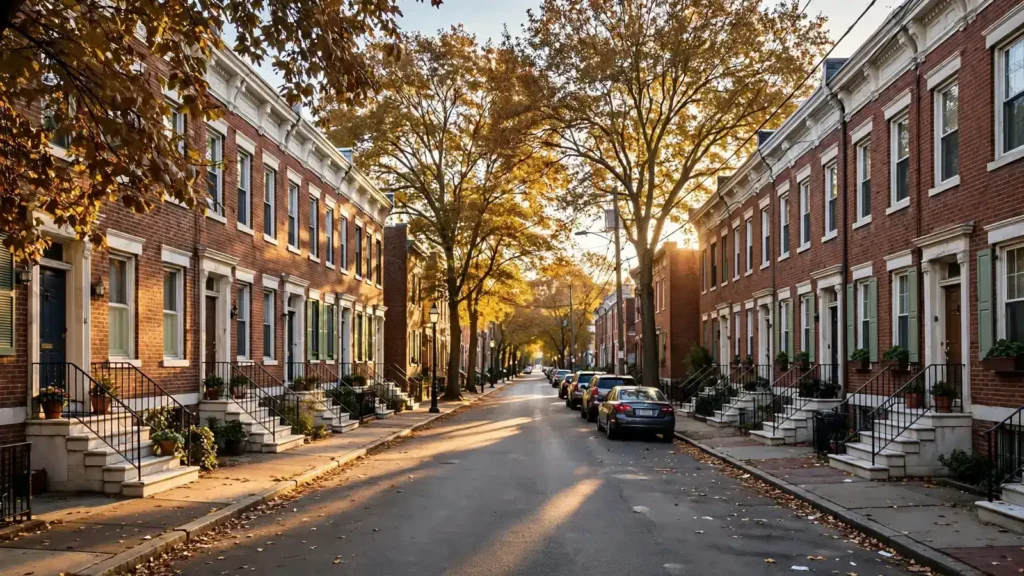
Northeast homes
Rowhomes, twins, and single-family houses with basements: the local patterns behind most calls.
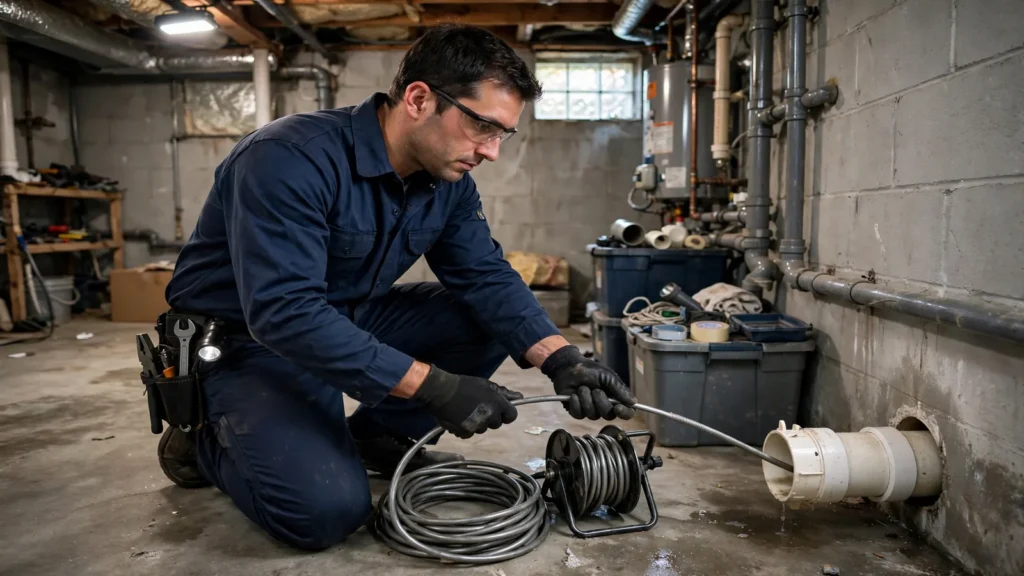
Triage first
Describe what is happening. Urgent cases get sorted before anything else.
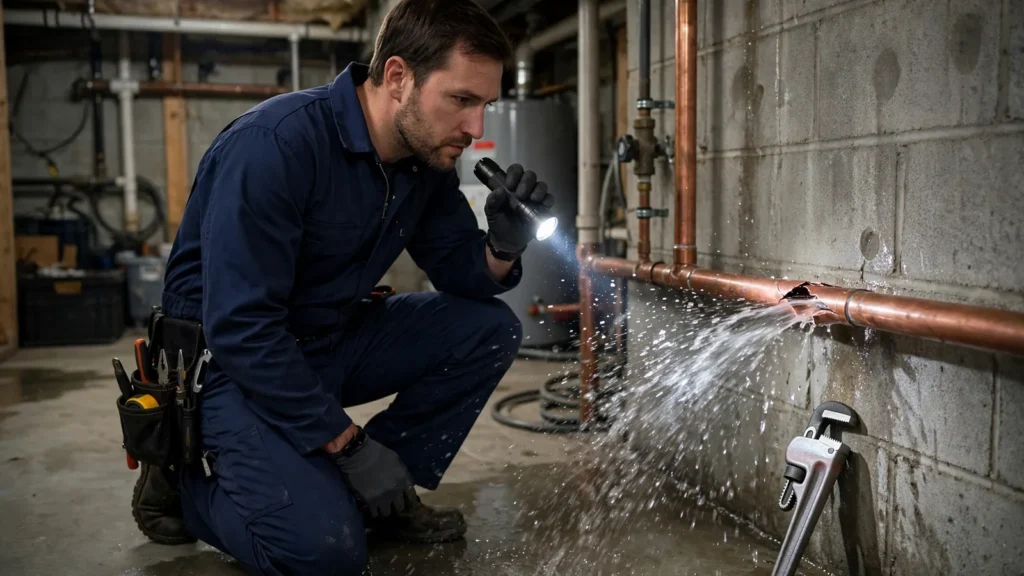
Honest next steps
Inspection first. You approve the scope and price before work starts.
Is this a plumbing emergency?
Not every plumbing problem needs a plumber tonight. In Northeast homes the basement usually tells the story first. Run this check first:
Water is spreading or rising.
Water rising in the basement. Shut the main valve, then call. Keep clear of water near the panel, water heater, or outlets.
Sewage is coming up through a drain or toilet.
Sewage coming up through the floor drain or toilet. Stop using all water in the house. Aging laterals fail this way in this area, so keep people and pets away from it.
No water at all.
No water at all. Ask a neighbor if they have water too. If yes, your service line or pipes may be frozen. If no, it may be a main break on the street.
One slow drain, no backup.
One slow drain, no backup. This can usually wait for a daytime visit. In older homes with galvanized lines, one slow drain can turn into several, so watch the other fixtures.
Water spreading or rising right now?
Northeast Philadelphia plumbing, in plain facts
10
ZIP codes covered on this page
8
Neighborhoods: Mayfair, Tacony, Holmesburg, Bustleton, Somerton, Torresdale, Fox Chase, Rhawnhurst
50+
Many service lines here are 50-plus-year-old galvanized steel, choking water pressure
1900s
Housing stock from early-1900s rowhomes to post-war twins and singles
Why plumbing trouble looks different here
Galvanized pipes choking flow
Many Northeast homes still run on 50-plus-year-old galvanized steel service lines. Corrosion narrows the pipe from the inside and kills water pressure. If your pressure has faded over the years, the line, not the fixture, is often the cause.
Cast iron drains aging out
Homes from the early 1900s often carry cast iron drain stacks and sewer lines that rot from the inside out. Gurgling drains, sewer smells, or recurring backups can mean the stack is failing. A camera inspection shows what is actually left of the pipe.
Wet basements
Heavy rain pushes water through basement floors and walls. Start outside: grading, gutters, and downspout extensions. Interior French drains and sump pumps handle what grading cannot. Never finish a basement that floods.
Sewer line replacement
Rusted cast iron sewer lines under the house eventually need replacement. Whether the fix is trenchless or open-cut, the questions are the same: camera first, get the line located, and know where your cleanout is.
Do you cover my Northeast block?
ZIP codes on this page: 19111, 19114, 19115, 19116, 19120, 19124, 19136, 19149, 19152, 19154
Mayfair, Tacony, Holmesburg, Bustleton, Somerton, Torresdale, Fox Chase, Rhawnhurst
[VERIFY COVERAGE] Service availability is confirmed per address with the responding plumber before anything is promised.
Emergency services for Northeast Philadelphia homes
Each page explains the problem, what to do first, and when to call.
Burst Pipe Repair
A split pipe can flood a basement fast, and older shutoffs in these homes can seize. Shut the main first, then call.
Frozen Pipe Repair
No water after a cold night? Uninsulated runs in older Northeast homes freeze first. Safe thawing steps and when to call.
Basement and Sewer Backup
Sewage coming up through the floor drain? Stop using water. Aging laterals are the usual suspect in this area.
Water Leak Emergency
Stains, damp basement walls, or a running meter. Galvanized lines corrode from the inside, so find the source before opening walls.
Emergency Toilet Repair
Overflowing bowl? Shut the valve and stop flushing. If the whole bathroom group backs up, the main line may be blocked.
No Hot Water Emergency
Cold showers and a leaking tank. Tanks in damp basements fail sooner, so know when yours is done.
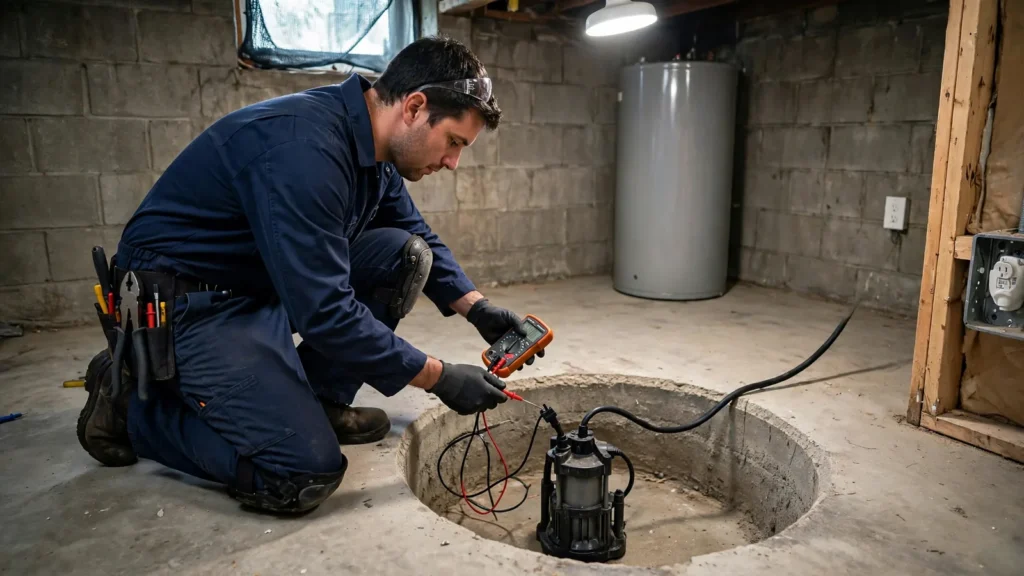
Sump Pump Emergency
Pump dead during a storm? Basements here take water fast. What to check in the first minutes.
Emergency Drain Cleaning
One slow drain or the whole house? With old cast iron and galvanized pipe, the pattern tells you where the blockage sits.
Sewage backup or no hot water? Don’t wait.
How requesting help works
1
Describe the problem.
Describe what you see. Give the ZIP or neighborhood, what is happening, and whether water is moving. The home’s age helps, since older pipe systems fail in known ways.
2
We match the service path.
We sort by urgency and pipe era. Calls from older homes get flagged because galvanized and cast iron need a different approach. This is triage, not a remote diagnosis.
3
Availability is confirmed.
Availability is confirmed. Your address is checked against the service area before anything is promised.
4
Inspection, then clear scope.
Inspection, then clear scope. A qualified plumber inspects on site and shows you what failed. You approve scope and price before work starts.
Why request help this way
Triage first
Say what is happening. Urgent cases go first, and calls from older homes get flagged because galvanized and cast iron fail in known ways.
Inspection before scope
A qualified plumber looks before anyone quotes. With decades-old pipe systems, looking first is what keeps the quote honest.
You approve the price
No work starts until you agree the scope and price. For bigger jobs like repipes, that written scope is your protection.
Coverage confirmed
Your block is confirmed before anything is promised, so nobody wastes a trip.
Request help now
Prefer to talk it through?
Call and describe what’s happening. Urgent cases get sorted first, and coverage is confirmed per address.
Buying or selling an older home? Sewer laterals and galvanized service lines are the two big-ticket plumbing items in Northeast Philly. A camera inspection of the main drain before you buy can reveal a failing line while there is still time to negotiate.
Questions Northeast homeowners actually ask
These come from real discussions among homeowners dealing with the same older-house problems.
My water pressure is very low and I think our 50-year-old galvanized service line is the cause. What should I do?
You are probably right: galvanized steel corrodes from the inside, and a 3/4-inch line can narrow to a fraction of that over 50 years. Replacement is the real fix, and it is better done as a planned job than as an emergency. Get the scope in writing and ask whether the city-side portion needs attention too.
My house has galvanized pipes. How do I know when it’s time to replace them?
Watch for fading water pressure, rust-colored water, and pinhole leaks, those are the classic end-of-life signs. If you are already opening walls for a renovation, that is the cheapest time to repipe. Waiting until a pipe bursts is the most expensive option.
After replacing a section of galvanized pipe, my water pressure dropped. Did the work cause it?
Disturbing old galvanized lines shakes loose decades of scale, which then clogs faucet aerators and shower cartridges. Unscrew and clean or replace the aerators first, that fixes most cases. No chemical additive will dissolve what is stuck in the fixtures.
My 1900 house has rotted cast iron drains. Can I replace just the bad section with PVC?
Yes, with the right shielded couplings, a partial replacement is standard practice. But have the rest of the line camera-inspected first: if the cast iron is rotting everywhere, you are better off planning the full replacement now rather than opening the same wall twice.
A plumber says my cast iron stack needs full replacement. Is that really necessary?
Get a second opinion with camera footage you can see yourself. Some plumbers push full replacement when a repair would do. Replace what is actually failing, a rotted-through stack, yes; surface rust on a sound pipe, not yet.
What should I know before replacing a rusted cast iron sewer line under my house?
Start with a camera inspection and a locate so you know the line’s exact path and depth. Confirm proper pitch on the new line, use shielded couplings at transitions, and know where your cleanout is, you will need it for future maintenance. Pull permits where required.
My basement gets wet. Do I need an interior French drain, or is there a cheaper fix?
Start outside and cheap: regrade soil away from the foundation, clean the gutters, and extend downspouts well away from the house. If water still comes up through the floor, an interior French drain to a sump pump is the standard fix. Be skeptical of miracle cures.
Water seeps through my basement floor during heavy rain. Will a French drain fix it?
For water pushing up through the floor, yes, an interior French drain channeling to a sump pump is the proven answer. Keep the pump maintained and consider a battery backup, because the worst seepage often arrives with the power outage.
What does an emergency plumber visit cost in Northeast Philadelphia?
After-hours visits usually cost more than daytime ones. Always ask what the visit fee includes before any work starts. We publish real prices only after they are verified with the operating plumber.
How do I know if my sewer lateral needs replacement?
Recurring backups, several slow drains at once, gurgling toilets, sewage smells, or an unusually lush patch of lawn over the line all point to the lateral. A camera inspection is the definitive test, it shows breaks, sags, and root intrusion directly.
Water spreading right now?
If you can reach a valve safely, shut the water off first. Then call. Describe the problem and we will connect you with a local Philadelphia plumber.
Calls connect you with a local Philadelphia plumber. Coverage is confirmed per address.