
Home › Philadelphia Areas › Fishtown, Northern Liberties & Kensington
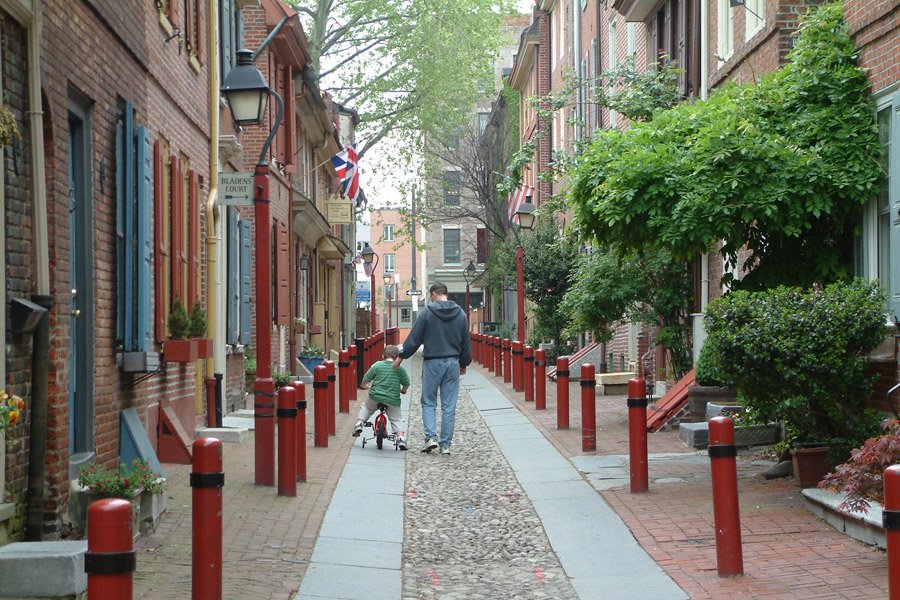
Emergency Plumbing Help in Fishtown, Northern Liberties & Kensington, Philadelphia
Coverage: Fishtown (19125), Northern Liberties (19123), Kensington (19122, 19134). Century-old rowhouses beside new condos and converted mills, all on the same short streets. [VERIFY COVERAGE: confirm each ZIP with the service partner and USPS before publishing.]
A sewer backup, burst pipe, or flooded basement in these river-ward neighborhoods needs a clear next step. Tell us what is happening and where, take safe first steps, and request the right plumbing help for your property.
Is this a plumbing emergency?
Act now
- Water is actively spreading through a ceiling, wall, or floor
- Sewage is backing up through a toilet, tub, shower, or floor drain
- You have no water at all, or a pipe may have burst
- Water is near electrical outlets, the panel, or appliances: move away and do not touch wet equipment. If you smell gas, leave the area and contact emergency services
Can often wait for scheduled service
- A single slow drain or a dripping faucet
- A toilet that runs occasionally but flushes normally
- Lukewarm water, or a water heater making noise with no leak
Falls between the two lists? Describe the symptoms when you request help. Triage sorts urgency, it is not a remote diagnosis. In a loft or condo building, also notify building management: shutoffs and access are often building-controlled. Not sure? See what counts as a plumbing emergency.
Water is moving right now?
Do not wait it out. Tell us what is happening and where, and we will sort the urgency from there.
Why request help this way
Coverage checked first
Your ZIP is confirmed with the responding partner before dispatch. We do not promise a street we cannot serve.
Triage, not guesswork
Your request is sorted by urgency from what you describe: emergency, same-day, or routine.
Plain-scope inspection
The plumber finds the problem, then explains the finding and the scope before any work is approved.
Honest limits
No invented reviews, licenses, or response-time promises. Anything unverified stays marked until it is confirmed.
1880s–1930s
when most Fishtown and Northern Liberties rowhouses were built
60%
of Philadelphia is on a combined sewer system with 164 overflow outfalls
1 in 20
properties PWD estimates may have a lead service line
$300–$800
typical Philadelphia cost of a sewer camera inspection (local ranges, not a quote)
Plumbing problems these blocks are known for
These neighborhoods mix the oldest housing in the plan with the newest, which shapes what goes wrong. The concerns below come from local inspection and contractor sources, not from a template.
Clay sewer laterals, 80 to 100 years old
Original clay pipes run under the Frankford Avenue corridor, side streets, and rear alley slabs. Root intrusion, bellies, and partial collapse are the recurring findings on rowhouses this age. A camera inspection shows what you are dealing with before anyone digs.
You own the lateral to the street
In Philadelphia, the homeowner is responsible for the sewer lateral from the house all the way to the city main. Replacement commonly runs $3,000–$12,000+ once permits and street restoration are added (local estimates, not quotes). Trenchless lining or pipe bursting suits roots and moderate cracking; a fully collapsed pipe still needs excavation.
Stone foundations that seep
Lime mortar in 1880s–1930s stone foundations has eroded over a century of wet winters, letting groundwater in at the base course. Finished basements hide the moisture paths, so seepage often shows up first behind drywall or under flooring rather than as a visible leak.
Old beside new on one street
A renovated condo can sit between two century-old rowhouses in Fishtown: modern PVC and copper within steps of original clay, cast iron, and lead-era pipe. The same symptom reads differently depending on which system failed, so inspection matters more than the address.
Mill and brewery conversions
Northern Liberties warehouses, the old Schmidt’s and Ortleib’s brewery blocks, and iron works like the 1871 Eagle Iron Works became lofts and condos. Commercial-grade panels retooled for residential loads, altered fire suppression, and flat roofs aging past their designed life bring failure modes a rowhouse never had.
Tight lots, shared walls, narrow streets
Kensington’s smaller, shallower rowhouses, 12-foot lots, 5-foot rear alleys, party walls, and the non-grid street pattern limit access. Sewer work may run under narrow sidewalks or small front yards and need street excavation with permits, which is part of why the work costs what it costs.
Coverage: Fishtown, Northern Liberties & Kensington
We plan to serve ZIP codes 19122, 19123, 19125, and 19134: Fishtown, Northern Liberties, Kensington, Norris Square, and nearby blocks. [VERIFY COVERAGE] Tell us your ZIP when you request help; coverage is confirmed with the responding service partner before dispatch.
Which parts of these ZIPs sit on combined versus separate sewers is still unconfirmed against the PWD system map [VERIFY SEWER COVERAGE], so wet-weather guidance stays general until that check is done.
Separate City resource, worth knowing: Philadelphia’s Basement Backup Protection Program installs backwater valves free for qualifying homeowners: (215) 685-4901. It is a City program, not a private plumbing service.
Emergency plumbing services for these neighborhoods
Choose the problem that matches what you see. Each page explains safe first steps, warning signs, and what a plumber may do.
Burst Pipe Repair
Active burst and water-damage triage.
Frozen Pipe Repair
Freeze symptoms, safe first steps, and the repair path.
Basement & Sewer Backup
Wet-weather backup, floor drains, sewage, and who owns what.
Water Leak Emergency
Ceiling, wall, and supply-line leaks, including leaks between stacked units in converted buildings.
Emergency Toilet Repair
Overflowing toilet, rising water, and repeated backups.
No Hot Water Emergency
Urgent water-heater failure. Most basement tanks here flood downward onto the floor.
Sump Pump Emergency
Pump failure and basement protection during long rain events.
Emergency Drain Cleaning
Severe clogs, multiple slow drains, and main-line warning signs.
Sewage or water where it should not be?
Backups and active leaks get worse while they wait. Describe what you see and we will sort the urgency.
How requesting help works
1
Describe the problem
Tell us your ZIP or neighborhood, the property type (rowhouse, loft conversion, business), the room or fixture affected, the symptoms, when it started, and whether water is actively moving.
2
We triage the request
It is classified as emergency, same-day, or routine, based on what you describe. This is triage, not a remote diagnosis.
3
Availability is confirmed
The responding partner and coverage for your ZIP are verified before dispatch. [VERIFY: partner and process]
4
A qualified professional inspects and explains
You see the finding, the proposed scope, and what could change before any work is approved. No surprise line items after the fact.
Request help now
Use the form below. Include your ZIP, the property type, and what is happening: the room or fixture, the symptoms, and whether water is actively moving.
[BROWSER STEP: create a new Kadence Blank Form here with fields Name, Phone, ZIP, What’s happening?, and a Submit button, matching the form on the South Philadelphia draft. Email and submission settings stay at defaults until configured before launch. This placeholder line is deleted when the form is inserted.]
Renting here, or managing a property?
Tell your landlord or property manager first: leases decide who pays, and many loft and condo buildings control the main shutoff. For access to shared walls, basements, or utility rooms, the building contact often matters as much as the plumber.
Verification and trust
- Service partner: [VERIFY BEFORE PUBLISHING]
- License and insurance: [VERIFY BEFORE PUBLISHING]
- Phone: [VERIFY BUSINESS PHONE NUMBER]
- Hours and availability: [VERIFY BEFORE PUBLISHING]; availability language appears only when operationally true
- Reviews: only genuine, attributable, permissioned reviews will appear here. [VERIFY BEFORE PUBLISHING]
- Business model: lead generation under rank-and-rent (user-confirmed); exact disclosure wording [VERIFY before publishing]
Fishtown, Northern Liberties and Kensington plumbing FAQs
My friend lives in a Philadelphia row home and the basement flooded. How should he deal with potential mold and mildew before they become a problem?
First stop the water source, then get the space dry fast: pumps or wet vacs, fans, and a dehumidifier running for days, not hours. In these neighborhoods, flooded basements are often finished, and wet drywall and insulation usually need to come out rather than dry in place. Anything beyond a small surface patch of mold is work for a remediation professional. If the water was sewage, treat everything it touched as contaminated. A plumber can sort whether the water came from a backup or from foundation seepage, which decides what happens next. (Source: Ask MetaFilter)
We bought a 1928 house with tree roots blocking the sewer line in places by 75%. One company quoted pipe bursting at $7–8k, another suggested cutting the roots and lining the pipe. Which is right?
Neither quote is right until someone runs a camera through your own line and shows you the footage. Root cutting buys time but the roots come back. Lining and pipe bursting both need a pipe that still holds its shape: moderate cracking and root intrusion are candidates, a fully collapsed section or a severe extended belly is not, and that part still needs excavation. On the clay laterals common under Fishtown and Northern Liberties streets, the camera decides. Get the footage, then compare the two proposals against it. (Source: plbg.com)
If the sewer repair has to go into the street, does the city replace that portion of the pipe? Will the city bill me for it?
In Philadelphia, the property owner is generally responsible for the private sewer lateral from the house all the way to the city main under the street, including the part under the sidewalk and roadway. Street work needs permits and restoration, which is part of why lateral replacement commonly runs $3,000–$12,000+ in local estimates. Confirm the boundary for your property with the plumber or the Philadelphia Water Department before work starts, so the street portion is priced in, not discovered later. (Source: JustAnswer)
Why does my basement flood when it rains for a long time? The sump pump has been running for 30 hours, which is longer than usual. Something is wrong.
A pump running nonstop through a long rain is either undersized, clogged, or losing to inflow it cannot beat. Check the discharge line outside first: a frozen, kinked, or buried outlet makes a working pump useless. Roughly 60% of Philadelphia is on a combined sewer system, so during heavy rain water can also come back up through floor drains rather than through the walls. If the pump cannot keep up or the water is rising, request help rather than waiting for the motor to burn out. (Source: AnandTech forums)
I have a very leaky basement. During big rains we get water. What actually fixes this?
It depends on where the water enters, and that decides who fixes it. Water coming through walls or the floor joint in an 1880s–1930s rowhouse usually means groundwater seeping past eroded mortar in a stone foundation: that is a waterproofing question, not a plumbing one. Water rising up through floor drains during rain points to the sewer side, where a camera inspection and possibly a backwater valve are the plumbing answers. Watch one storm and note the entry point before you pay anyone. (Source: JustAnswer)
We have a toilet in the basement. Lately, whenever we wash clothes, shower, or use the toilets upstairs, all the drainage comes to the basement toilet and overflows it. What do we do?
Stop using water in the house and request help. When every fixture drains to the lowest point, the main line or the lateral to the street is blocked, and the basement toilet is simply the first outlet the water finds. Plunging individual fixtures will not clear a main-line blockage, and each flush or load of laundry adds to the overflow. (Source: plbg.com)
The toilet keeps backing up and overflowing. When I plunge it, the water comes back up in the bathtub. All the drains drain very slowly. What is going on?
Multiple fixtures backing up together means the blockage sits downstream of all of them, in the main drain or the lateral to the street. Stop running water and avoid chemical drain cleaners on a fully blocked line: they sit in the pipe without clearing it. A camera inspection finds where the blockage is and whether it is a clog, roots, or a broken section of old clay pipe. (Source: plbg.com)
Water is slowly seeping out from the bottom of our water heater, and it looks like rust. Is it done for?
Rust-colored seepage from the tank base usually means the tank itself is failing, and tanks do not heal. Most water heaters in these rowhouses sit in the basement, so a failed tank floods downward onto the floor. If you can do it safely, shut the water and fuel supply, then plan for replacement rather than repair: patching a rusted tank is not a real option. (Source: Reddit r/Plumbing)
My water heater is leaking from the bottom. I turned off the cold water intake and the natural gas. How do I drain the heater? There is no knob or anything.
You already took the two right first steps. The drain valve sits low on the tank, sometimes hidden behind a plastic cap, and it takes a standard hose thread. Draining a failed tank in a tight basement is awkward work, and a rusted valve can snap off in your hand. If you are not sure, leave the draining to whoever replaces the unit. (Source: JustAnswer)
I snaked the basement floor drain, lots of junk came up, but it still does not drain all the way. Do I need a longer or bigger snake, and is there anything I should know about using one?
If a floor drain still holds water after snaking, the problem may sit deeper than a hand snake reaches, or the line itself may be broken or bellied. Forcing a bigger snake through old clay or cast iron can crack the pipe and turn a clog into an excavation. A camera inspection shows whether you are dealing with a clog, roots, or a collapsed section, and that decides the tool. (Source: plbg.com)
Need plumbing help in Fishtown, Northern Liberties, or Kensington?
Tell us what is happening, where it is happening, and whether water is actively moving. Take safe first steps, then request the right service path without guessing at the diagnosis.